
Gebieden
Toscana
Softly undulating hills, age-old farm houses, stylish cypresses and perhaps the most valuable objects of art of the world: a "dream landscape"….
Tuscany is the most popular, loved and cherished region for holiday-goers and not undeservedly. This region is a fascinating mixture of history, art and landscapes, rich in world-famous examples of human art and science.
vanaf 1500 euro p.w.
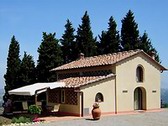
CASA IL COLLE
region: Firenze
Holiday home
4 + 2 pers.
Swimming pool
Florence 27 kms.
vanaf 700 euro p.w.
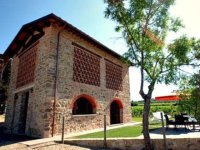
CASA POGGIO
region: Arezzo
Holiday home
6 persons
Swimming pool
Siena 40 km.
vanaf 1386 euro p.w.
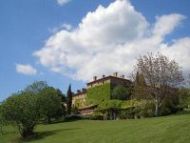
LA FORTEZZA -CASA BECO
region: Siena
Apartment
4 persons
Swimming pool
Montepulciano 11 kms.
vanaf 1351 euro p.w.
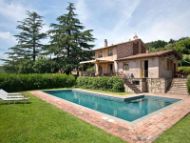
VILLA FEDERICA
region: Lucca
Villa
6 pers.
Swimming pool
Lucca 9 kms.
vanaf 721 euro p.w.
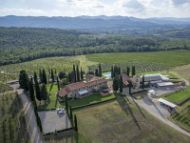
IESOLANA - IL PORTICO
region: Arezzo
Apartment
2 pers.
2 Swimming pools
Siena 30 kms.
vanaf 2163 euro p.w.
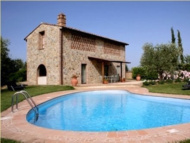
VILLA MONTAGNA
region: Firenze
Holiday home
6 persons
Swimming pool
Florence 58 kms.
Siena 55 kms.
vanaf 3990 euro p.w.
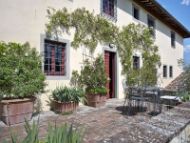
VILLA RICAVOLI
region: Firenze
Country house
12 pers.
Swimming pool
Florence 14 kms.
vanaf 1650 euro p.w.
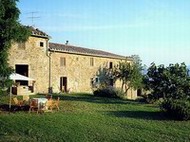
BELLOSGUARDO I
region: Siena
Apartment
5 persons
Swimming pool
Montepulciano 11 kms.
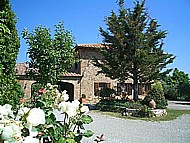
VILLA TAMARA
region: Siena
Country house
8 pers.
Swimming pool
Montepulciano 13 km.
vanaf 3950 euro p.w.
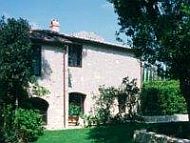
CASA VICTORIA
region: Siena
Villa
6 people
Montepulciano 40 kms.
vanaf 973 euro p.w.
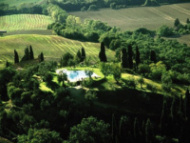
BORGO LUCIGNANELLO
region: Siena
Borgo
5 apartments
Swimming pool
Montalcino 17 kms.
vanaf 721 euro p.w.
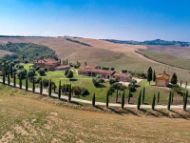
BACCOLENA - MEZZADRO
region: Siena
Apartment
2 + 2 persons
Indoor swimming pool
Asciano 7 kms.
Siena 32 kms
vanaf 1890 euro p.w.
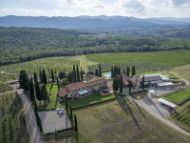
IESOLANA - GLI OLIVI
region: Arezzo
Apartment
6 pers.
2 swimming pools
Siena 30 kms.
vanaf 3990 euro p.w.
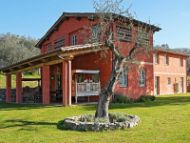
VILLA VALENTINO
region: Lucca
Farmhouse
10 people
Swimming pool
Beaches 9 kms.
vanaf 2990 euro p.w.
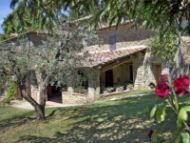
LA POZZA DI VOLPAIA
region: Siena
Villa
11 people
Swimming pool
Radda in Chianti 7 kms.
vanaf 2163 euro p.w.
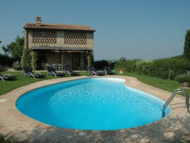
VILLA CABBIALLE
region: Firenze
Holiday home
6 persons
Swimming pool
Florence 58 kms.
Siena 55 kms.
vanaf 2600 euro p.w.
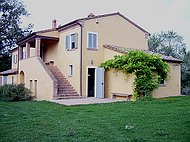
VILLA MARA
region: Siena
Farmhouse
7/10 pers.
Swimming pool
Montepulciano 8 km.
vanaf 560 euro p.w.
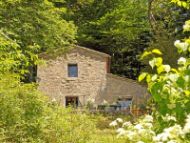
CASA DELLE GALLINE
region: Siena
Holiday home
2 pers.
Montepulciano 33 km.
Siena 68 kms.
vanaf 760 euro p.w.
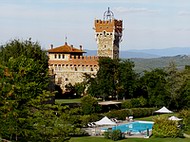
TENUTA DI LUPINARI
region: Arezzo
7 apts. + 1 suite
4 rooms
swimming pool
Arezzo 31 km.
vanaf 2990 euro p.w.
CASA LILA
region: Lucca
Holiday home
8 pers.
Swimming pool
Beach 9 kms.
vanaf 2700 euro p.w.
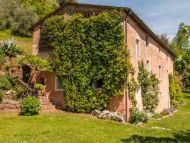
CASA DAMIANO
region: Lucca
CASA DAMIANO
10 people
Swimming Pool
Lucca 11 kms.
vanaf 1580 euro p.w.
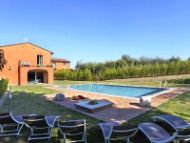
CASA UVA
region: Lucca
Holiday home
6 persons
Swimming pool
Lucca 15 kms.
vanaf 679 euro p.w.
TENUTA LA CAMPANA - AQUILA
region: Siena
Apartment
5 persons
Swimming pool
Tennis court
Siena 25 kms.
vanaf 840 euro p.w.
TENUTA LA CAMPANA - BRUCO
region: Siena
Apartment
6 persons
Swimming pool
Tennis court
Siena 25 kms.
vanaf 322 euro p.w.
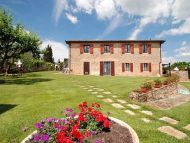
CASA ANNA E LORENZO
region: Siena
Agriturismo
4 apartments
Swimming pool
Siena 15 kms.
vanaf 5840 euro p.w.
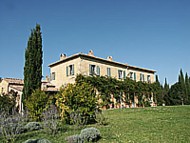
FONTANELLE
region: Siena
Villa
10 + 6 people
Swimming pool
Montalcino 9 kms.
vanaf 1022 euro p.w.
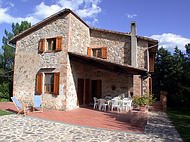
CASA RAFFAELA DUE
region: Siena
Villa
10 pers.
Swimming pool
Siena 39 kms.
vanaf 1420 euro p.w.
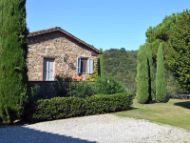
COMPIGNANO COTTAGE
region: Lucca
Cottage
4 persons
Swimming pool
Beach 18 kms.
Lucca 13 kms.
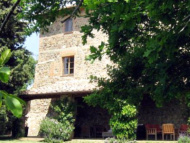
CASA DONATELLA
region: Siena
vanaf 1990 euro p.w.
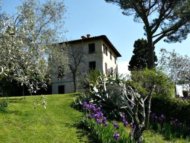
AL FANUCCHI
region: Lucca
Villa
10 people
Swimming pool
Lucca 10 kms.
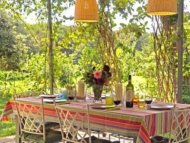
CASA LIMONI
region: Livorno
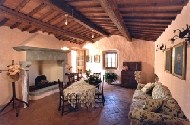
VILLA IL PARADISINO
region: Firenze
Estate
4 apartments
Swimming pool
Florence 6 kms.
vanaf 570 euro p.w.
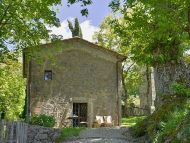
CASETTA DI LILY
region: Siena
Holiday home
2 pers.
Swimming pool
Montepulciano 33 kms.
Siena 68 kms.
vanaf 1330 euro p.w.
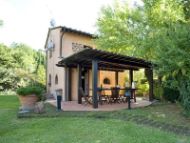
LA CAPINERA
region: Pisa
Little villa
3 + 2 people
Swimming pool
Florence 51 km.
vanaf 2247 euro p.w.
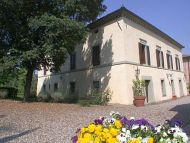
LA CAMPANA VILLA
region: Siena
Villa
11 people
Swimming pool
Tennis course
Siena 25 kms.
vanaf 744 euro p.w.
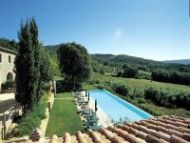
CASALINO - IL DEFIZIO
region: Firenze
Apartment
2 + 2 persons
Swimming pool
Florence 65 km.
vanaf 1740 euro p.w.
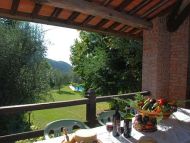
CASA FRANELLO
region: Lucca
Farmhouse
9/10 people
Swimming pool
Lucca 15 kms.
vanaf 4390 euro p.w.
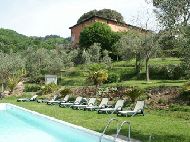
VILLA IGEA
region: Lucca
vanaf 1760 euro p.w.
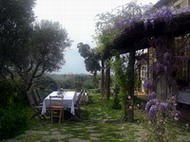
CASA CAVALLO
region: Grosseto
Holiday home
5 persons
Swimming pool
Beaches 30 km
vanaf 4890 euro p.w.
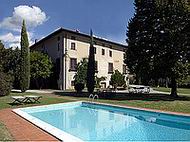
BUONVISI
region: Lucca
Villa
16 people
Swimming pool
Lucca 12 km.
vanaf 623 euro p.w.
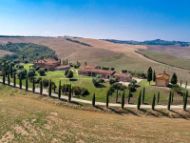
BACCOLENA - FALEGNAME
region: Siena
Apartment
2 persons
Indoor swimming pool
Asciano 7 kms.
Siena 32 kms
vanaf 301 euro p.w.
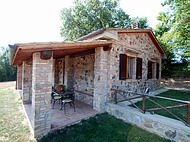
LA FONTANA
region: Siena
Holiday home
2 pers.
Siena 39 kms.
vanaf 2160 euro p.w.
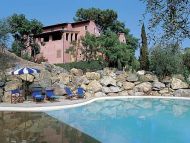
LE RONDINI
region: Pisa
Villa
9 people
Swimming pool
Florence 51 kms.
vanaf 3300 euro p.w.
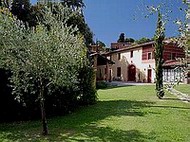
CASA MARIA
region: Lucca
Villa
10 people
Swimming pool
Lucca 12 kms.
vanaf 840 euro p.w.
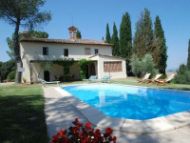
VILLA LUANA II
region: Siena
Two apartments
14 persons
Swimming pool
Siena 25 kms.
vanaf 1850 euro p.w.
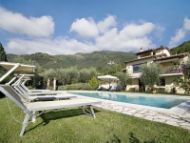
CASA LE BALZE
region: Lucca
Villa
6 + 4 people
Swimming pool
Beaches 11 kms.
vanaf 6370 euro p.w.
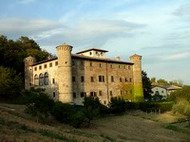
CASTELLO ANGHIARI
region: Arezzo
Castle
19 persons
Swimming pool
Anghiari 4 km.
Arezzo 33 km.
vanaf 1240 euro p.w.
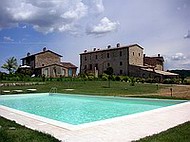
CASA ELSA
region: Siena
Apartment in villa
6 people
Swimming pool
Siena 30 kms.
Florence 58 kms.
vanaf 609 euro p.w.
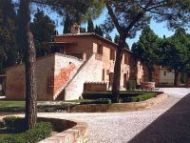
TENUTA LA CAMPANA - SELVA
region: Siena
Apartment
4 persons
Swimming pool
Tennis court
Siena 25 kms.
vanaf 4120 euro p.w.
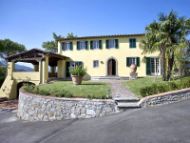
VILLA LA PALMA
region: Lucca
Villa
12 persons
Swimming pool
Lucca 5 kms.
Beaches 30 kms.
vanaf 661 euro p.w.
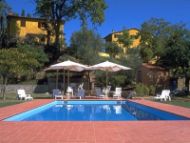
CASA STEFANO - QUERCIA
region: Arezzo
Apartment
4 + 2 pers.
Swimming pool
Tennis court
Arezzo 30 kms.
vanaf 3630 euro p.w.
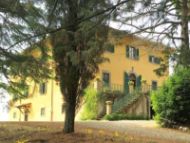
VILLA MONTAGEMOLI
region: Pisa
Historic villa
11 + 2 pers.
Swimming pool
Beach 30 kms.
vanaf 2520 euro p.w.
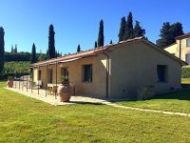
IESOLANA - LA VILLETTA
region: Arezzo
Holiday home
8 persons
2 swimming pools
Siena 30 kms.
vanaf 1323 euro p.w.
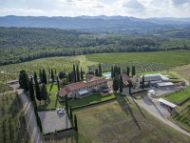
IESOLANA - I CIPRESSI
region: Arezzo
Apartment
4 pers.
2 swimming pools
Siena 30 kms.
vanaf 2150 euro p.w.
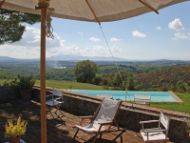
POGGIO DUE QUERCE
region: Grosseto
POGGIO DUE QUERCE
Holiday home
Swimming pool
8 + 1 pers.
Beach 20 kms.
vanaf 900 euro p.w.
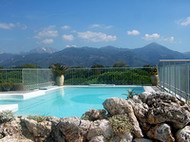
RESIDENCE LA LUNA
region: Lucca
Residence
15 apartments
Roof swimming pool
Beach 450 m
vanaf 1750 euro p.w.
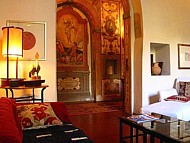
APARTAMENTO AFFRESCO
region: Firenze
Apartment,
2 + 1 pers.
Historical centre of
Florence
vanaf 623 euro p.w.
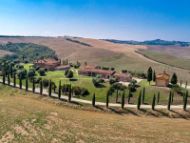
BACCOLENA - MANISCALCO
region: Siena
Apartment
2 persons
Indoor swimming pool
Asciano 7 kms.
Siena 32 kms
vanaf 3500 euro p.w.
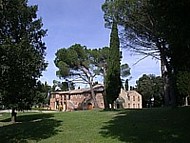
VILLA LUANA
region: Siena
Villa
22 people
Swimming pool
Siena 25 kms.
vanaf 4710 euro p.w.
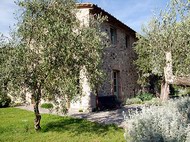
VILLA SORGENTE
region: Lucca
Farmhouse
12 people
Swimming pool
Lucca 11 kms.
Beaches 25 kms.
vanaf 2600 euro p.w.
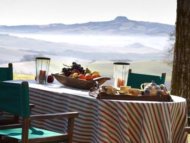
CASA CASACIA
region: Siena
Holiday home
6 persons
Swimming pool
Montepulciano 11 kms.
vanaf 545 euro p.w.
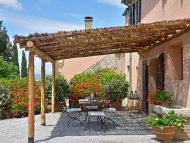
IL GERANIO
region: Grosseto
Apartment
4 persons
Swimming pool
Beach 25 kms.
vanaf 3470 euro p.w.
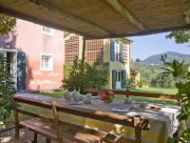
LE PERGOLE
region: Lucca
Farmhouse
10 pers.
Swimming pool
Lucca 6 kms.
vanaf 679 euro p.w.
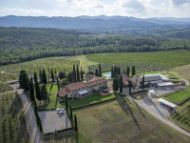
IESOLANA - IL CAMINO
region: Arezzo
Apartment
2 pers.
2 swimming pools
Siena 30 kms.
vanaf 2310 euro p.w.
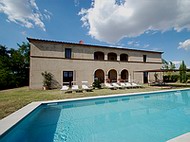
VILLA BUONCONVENTO
region: Siena
Villa
10 persons
Swimming pool
Siena 30 kms.
vanaf 2500 euro p.w.
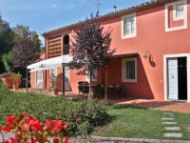
CASA ROSA
region: Lucca
Farmhouse
12 people
Swimming pool
Lucca 4 km.
vanaf 661 euro p.w.
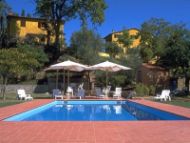
CASA STEFANO - IPPOCASTANO
region: Arezzo
Apartment
4 + 2 pers.
Swimming pool
Tennis court
Arezzo 30 kms.
vanaf 2072 euro p.w.
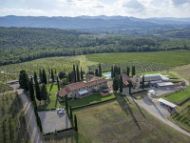
IESOLANA - IL FATTORE
region: Arezzo
Apartment
8 pers.
2 swimming pools
Siena 30 kms.
vanaf 1900 euro p.w.
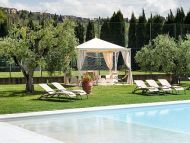
VILLA GELSOMINO
region: Firenze
Holiday home
10 persons
Swimming pool
Florence 44 kms.
Siena 42 kms.
vanaf 630 euro p.w.
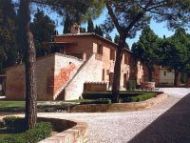
TENUTA LA CAMPANA - ISTRICE
region: Siena
Apartment
4 persons
Swimming pool
Tennis court
Siena 25 kms.
vanaf 4400 euro p.w.
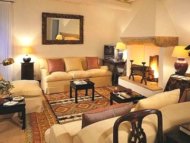
CASA TEATRA
region: Siena
Holiday home
6 people
Montepulciano 40 kms.
vanaf 2530 euro p.w.
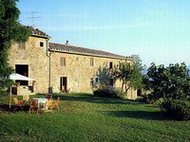
BELLOSGUARDO II
region: Siena
Apartment
8 persons
Swimming pool
Montepulciano 11 kms.
vanaf 4450 euro p.w.
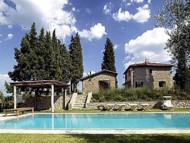
CASA LUISA
region: Arezzo
VILLA EXPERIENCE COLLECTION
Country house
8 pers.
Swimming pool
Arezzo 35 km.
vanaf 2550 euro p.w.
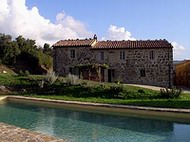
MONTEVISTA
region: Siena
Farmhouse
8 persons
Swimming pool
Montepulciano 36 kms.
Siena 60 kms.
vanaf 903 euro p.w.
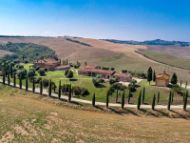
BACCOLENA - FABBRO
region: Siena
Apartment
4 persons
Indoor swimming pool
Asciano 7 kms.
Siena 32 kms
vanaf 735 euro p.w.
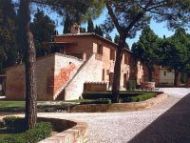
TENUTA LA CAMPANA - ONDA
region: Siena
Apartment
6 persons
Swimming pool
Tennis court
Siena 25 kms.
vanaf 2200 euro p.w.
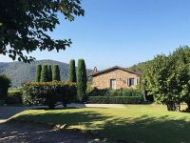
CASA CASTAGNARA
region: Lucca
Farmhouse
6 + 2 persons
Swimming pool
Lucca 13 kms.
vanaf 5900 euro p.w.
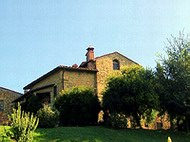
CASA NOVELLA
region: Firenze
Farmhouse
10 pers.
Swimming pool
Florence 28 kms.
Siena 38 kms.
vanaf 2150 euro p.w.
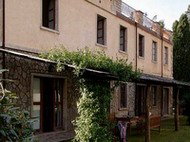
CASA PODERE
region: Grosseto
Holiday home
10 pers.
Swimming pool
Beach 14 kms.
Orbetello 24 kms.
vanaf 798 euro p.w.
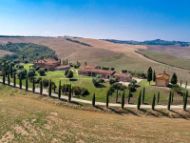
BACCOLENA - ARROTINO
region: Siena
Apartment
4 persons
Indoor swimming pool
Asciano 7 kms.
Siena 32 kms
vanaf 1800 euro p.w.
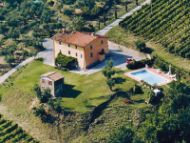
VILLA TETO
region: Lucca
Farmhouse
10 pers.
Swimming pool
Lucca 12 km.
vanaf 2500 euro p.w.
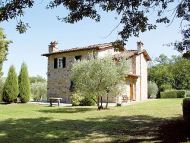
CASA BROCCOLO
region: Lucca
Farmhouse
7 people
Swimming pool
Lucca 12 km.
vanaf 2990 euro p.w.
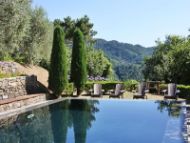
MACENNERE
region: Lucca
Farmhouse
10 people
Swimming pool
Lucca 15 km.
vanaf 1980 euro p.w.
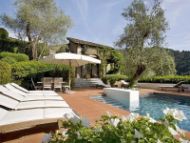
LA MADONNINA
region: Lucca
Villa
8 people
Swimming pool
Beach 10 kms.
vanaf 973 euro p.w.
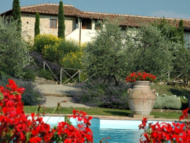
TENUTA FRANCA
region: Firenze
6 apartments
Swimming pool
Florence 58 kms.
Siena 55 kms.
vanaf 700 euro p.w.
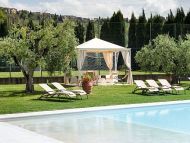
FATTORIA POGNI
region: Firenze
6 apartments
Swimming pool
Florence 33 kms.
Siena 42 kms.
vanaf 2400 euro p.w.
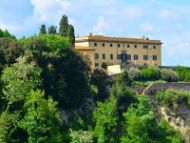
VILLA MONTAIONE
region: Firenze
Wing in historical
villa on estate
10-14 persons
Swimming pool
Pisa 60 kms.
vanaf 4730 euro p.w.
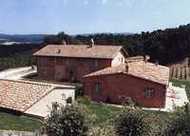
IL LAVACCHIO
region: Siena
Farmhouse
12 + 4 people
Swimming pool
Montalcino 12 kms.
vanaf 4980 euro p.w.
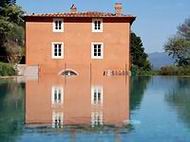
VILLA FLORA
region: Lucca
Farmhouse
12 pers.
Swimming pool
Lucca 6 kms.
Beaches 35 kms.
vanaf 1351 euro p.w.
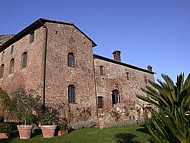
VILLA GALGANO
region: Siena
Historical villa
12 pers.
Swimming pool
Siena 35 km.
Beach 50 km.
vanaf 2200 euro p.w.
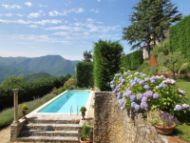
CASA BURRONE
region: Lucca
Holiday home
6 + 1 persons
Swimming pool
Lucca 25 kms.
vanaf 434 euro p.w.
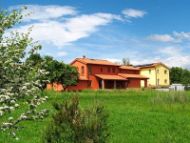
INCANTO TOSCANO
region: Pistoia
7 appartementen
Swimming pool
Florence 55 kms.
Lucca 41 kms.
vanaf 6200 euro p.w.
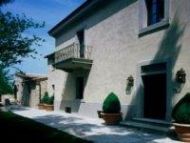
VILLA MELISA
region: Siena
Villa
8 people
Swimming pool
Montepulciano 40 kms.
vanaf 1176 euro p.w.
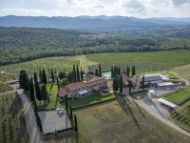
IESOLANA - IL LOGGIATO
region: Arezzo
Apartment
4 pers.
2 swimming pools
Siena 30 kms.
vanaf 3990 euro p.w.
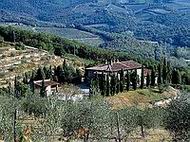
VILLA CAMPASSOLE
region: Siena
Imposing farmhouse
9 persons
Swimming pool
Radda in Chianti 1 km.
Siena 35 kms.
vanaf 1990 euro p.w.
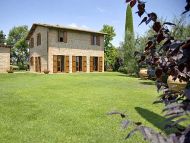
LA FONTE
region: Pisa
Farmhouse
8 people
Swimming pool
Volterra 35 kms.
vanaf 2660 euro p.w.
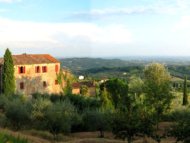
VILLA LOGGIA
region: Lucca
Villa
13 pers.
Swimming pool
Lucca 12 kms.
vanaf 2352 euro p.w.
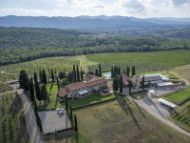
IESOLANA - LA TINAIA
region: Arezzo
Apartment
8 pers.
2 swimming pools
Siena 30 kms.
vanaf 570 euro p.w.
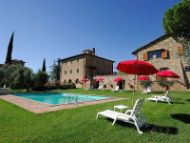
FATTORIA QUERCETO
region: Firenze
Agriturism
7 apartments
Swimming pool
Florence 30 km.
vanaf 4500 euro p.w.
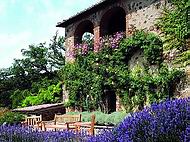
MONTAUTO
region: Siena
Farmhouse
10 pers.
Swimming pool
Montepulciano 11 kms.
vanaf 749 euro p.w.
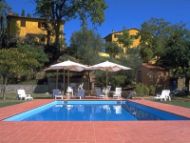
CASA STEFANO - VIGNETO
region: Arezzo
Apartment
2 + 2 pers.
Swimming pool
Tennis court
Arrezzo 30 kms.
vanaf 440 euro p.w.
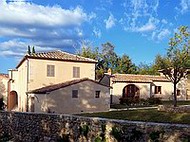
IL MOLINO CHIARA
region: Siena
5 apts/1 cottage/5 suites
Swimming pool
Siena 31 kms.
Florence 114 kms.
vanaf 735 euro p.w.
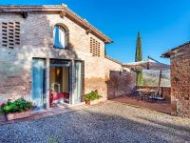
TENUTA LA CAMPANA - CHIOCCIOLA
region: Siena
Apartment
4 persons
Swimming pool
Tennis court
Siena 25 kms.
vanaf 2950 euro p.w.
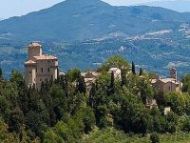
CASA ROSA
region: Siena
Holiday home
4 people
Montepulciano 40 kms.
vanaf 1300 euro p.w.
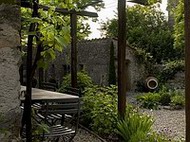
CASA DI PIETRA
region: Siena
Holiday home
4 pers.
Swimming pool
Montepulciano 33 kms.
Siena 68 kms.
vanaf 605 euro p.w.
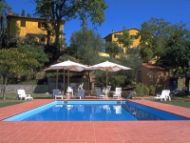
CASA STEFANO - LECCIO
region: Arezzo
vanaf 3400 euro p.w.
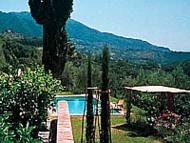
MONTEVIGNA
region: Lucca
Villa
8 people
Swimming pool
Lucca 10 km.
vanaf 600 euro p.w.
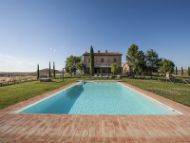
GIOVANNI P
region: Siena
5 apartments
Swimming pool
Siena 15 kms.
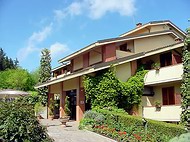
PARK HOTEL CHIANTI
region: Firenze
3 stars hotel
43 rooms
Swimming pool
Golf at 25 km.
Firenze 20 km
vanaf 903 euro p.w.
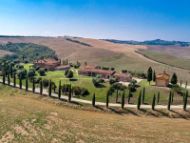
BACCOLENA - PASTORE
region: Siena
Apartment
4 persons
Indoor swimming pool
Asciano 7 kms.
Siena 32 kms
vanaf 5520 euro p.w.
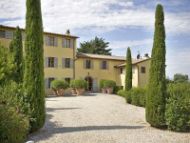
IL CORTE MALGIACCA
region: Lucca
Villa
10 persons
Swimming pool
Lucca 16 kms.
vanaf 6000 euro p.w.
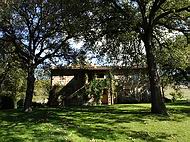
CASA SASAIA
region: Siena
A GREAT HOUSE FOR A HOLIDAY WITH A GROUP!
Farmhouse
14 pers.
Swimming pool
Montepulciano 11 kms.
vanaf 1890 euro p.w.
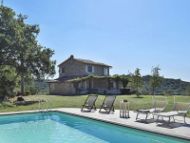
CASA CAMPANINA
region: Grosseto
Holiday home
4 + 2 pers.
Swimming pool
Coast 1 hour by car
vanaf 780 euro p.w.
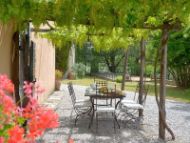
LA PERGOLA
region: Grosseto
Apartment
3/5 persons
Swimming pool
Beach 25 kms.
vanaf 3130 euro p.w.
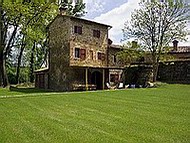
TORRE MULINO
region: Arezzo
Restored mill
7/10 pers.
Swimming pool
Montepulciano 27 kms.
vanaf 1300 euro p.w.
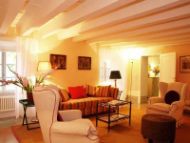
IL MEZZANINO
region: Lucca
Apartment
4 + 1 people
Historical centre of Lucca
vanaf 720 euro p.w.
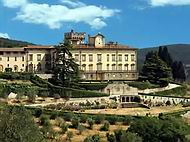
TORRE SAN DONATO
region: Firenze
Agriturismo
Villas/apartments
Swimming pool
Florence 18 kms.
vanaf 1970 euro p.w.
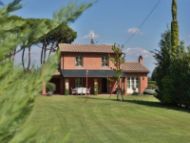
CASA LE VIGNA
region: Lucca
Holiday home
6 + 2 persons
Swimming pool
Beach 46 kms.
vanaf 721 euro p.w.

IESOLANA - LA LEGNAIA
region: Arezzo
Apartment
2 pers.
2 swimming pools
Siena 30 kms.
vanaf 630 euro p.w.
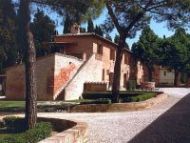
TENUTA LA CAMPANA - TORRE
region: Siena
Apartment
4 persons
Swimming pool
Tennis court
Siena 25 kms.
vanaf 903 euro p.w.
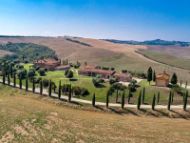
BACCOLENA - CANTINIERE
region: Siena
Apartment
4 persons
Indoor swimming pool
Asciano 7 kms.
Siena 32 kms
vanaf 1260 euro p.w.
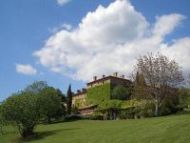
LA FORTEZZA - CASA VESPA
region: Siena
Apartment
4 persons
Swimming pool
Montepulciano 11 kms.
vanaf 630 euro p.w.
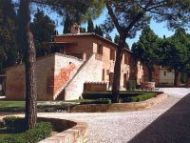
TENUTA LA CAMPANA - NICCHIO
region: Siena
Apartment
4 persons
Swimming pool
Tennis court
Siena 25 kms.
vanaf 3000 euro p.w.
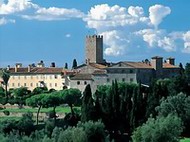
IL CASTELLO
region: Grosseto
Hunting house
15 people
Swimming pool
Ortobello 24 kms.
vanaf 2680 euro p.w.
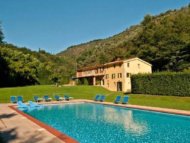
CASA ALISSO
region: Lucca
Farmhouse
11 persons
Swimming pool
Beaches 12 kms.
vanaf 865 euro p.w.
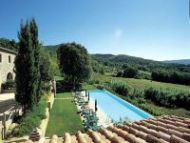
CONNUBIO - IL DEFIZIO
region: Firenze
Apartment
4 + 2 persons
Swimming pool
Florence 65 kms.
vanaf 4290 euro p.w.
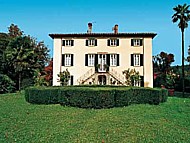
VILLA CLARA
region: Lucca
Villa
12 - 20 people
Swimmingpool
Lucca 4 kms.
vanaf 525 euro p.w.
TENUTA LA CAMPANA - LUPA
region: Siena
Apartment
2 persons
Swimming pool
Tennis course
Siena 25 kms.
vanaf 1290 euro p.w.
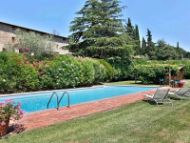
VILLA CAMILLA
region: Lucca
Villa
6 + 2 pers.
Swimming pool
Lucca 9 kms.
vanaf 640 euro p.w.
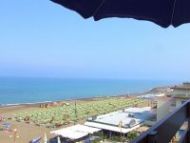
APPARTEMENT NAUTILUS
region: Livorno
Appartment at the sea
3 – 5 persons
Bolgheri 13 kms.
Lucca 53 kms.
vanaf 2500 euro p.w.
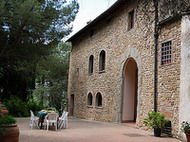
CASA MALMANTILE
region: Firenze
Villa
8 persons
Swimming pool
Tennis court
Florence 15 kms.
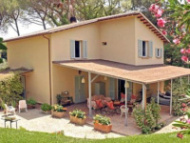
CASA PINI
region: Livorno
vanaf 1701 euro p.w.
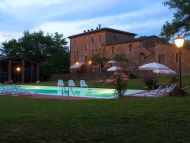
VILLA QUERCETA
region: Siena
Farmhouse
8 + 8 pers.
Swimmingpool
Siena 34 kms.
Beach (Follonica) 51 kms.
vanaf 343 euro p.w.
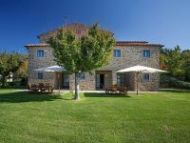
AGRITURISMO ODINA
region: Arezzo
Agriturismo
4 apartments
Swimming pool
Florence 53 kms.
vanaf 735 euro p.w.
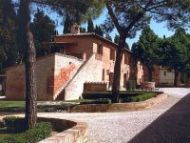
TENUTA LA CAMPANA - DRAGO
region: Siena
Apartment
6 persons
Swimming pool
Tennis court
Siena 25 kms.
vanaf 570 euro p.w.
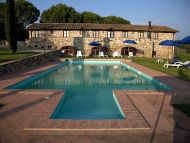
FATTORIA PRATALE
region: Firenze
Agriturismo
22 apartments
2 swimming pools
Firenze 30 kms.
vanaf 724 euro p.w.
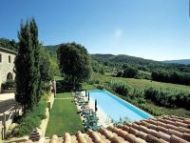
PERTUGIO - IL DEFIZIO
region: Firenze
Apartment
2 + 2 persons
Swimming pool
Florence 65 kms.
vanaf 3550 euro p.w.
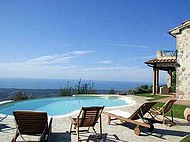
VILLA GIGLIA
region: Lucca
Villa
8 persons
Swimming pool
Pietrasanta 6 kms.
Beaches 10 kms.
vanaf 5990 euro p.w.
LANDGOED LA LEPRAIA
region: Pisa
Estate with 3 villas
10/22 pers.
Swimming pool
Beaches 20 kms.
vanaf 3800 euro p.w.
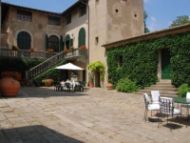
VILLA DI MONTELOPIO
region: Pisa
Villa
9 people
Swimmingpool
Lucca 50 kms.
vanaf 1820 euro p.w.
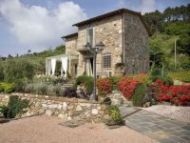
CASA GUASTO
region: Lucca
Farmhouse
5 + 1 pers.
Swimming pool
Lucca 15 kms.
vanaf 1750 euro p.w.
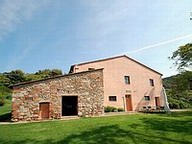
VILLA BELVEDERE
region: Firenze
Villa
8 persons
Swimming pool
Florence 55 kms.
vanaf 875 euro p.w.
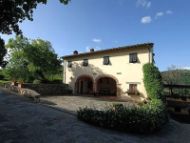
RELAIS MARIGNOLLE
region: Firenze
SPECIAL OFFER
Relais
7 rooms/2 suites
Swimming pool
Historical centre
Florence 2,5 km
vanaf 700 euro p.w.
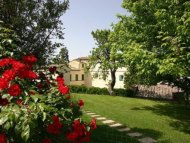
VILLA OSSAIA
region: Arezzo
3 apartments
Swimming pool
Cortona 5 kms.
vanaf 2681 euro p.w.
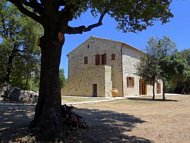
CASANOVOLA
region: Siena
Farmhouse
10 persons
Swimming pool
Sienba33 kms.
vanaf 2520 euro p.w.
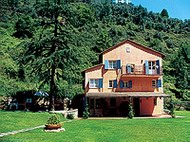
CASA DAMIGELLA
region: Lucca
Villa
8 people
Swimming pool
Camaiore 2 km
Beach 12 km.
vanaf 2990 euro p.w.
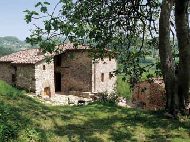
BOTTINO
region: Lucca
Farmhouse
10 people
Swimming pool
Lucca 15 kms.
Beaches 20 km.
vanaf 784 euro p.w.
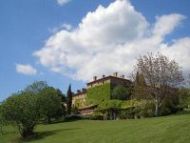
LA FORTEZZA - CASA FONTE
region: Siena
Apartment
2 persons
Swimming pool
Montepulciano 11 kms.
vanaf 1730 euro p.w.
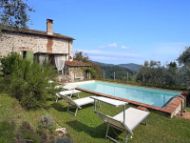
CASA FIORI
region: Lucca
Holiday house
6 people
Swimming pool
Beach 25 kms.
vanaf 2200 euro p.w.
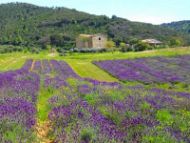
CASA BARBARA
region: Grosseto
Farmhouse
8 persons
Swimming pool
Beaches 28 km
vanaf 1810 euro p.w.
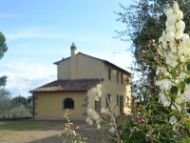
IL ROSINO ALTO
region: Pisa
Holiday home
6 people
Swimming pool
Lucca 37 kms.
vanaf 865 euro p.w.
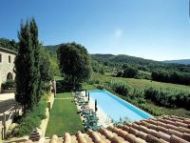
CAVEZZA/SERAFICO – IL DEFIZIO
region: Firenze
Apartment
4 + 2 persons
Swimming pool
Florence 65 kms.
vanaf 1670 euro p.w.
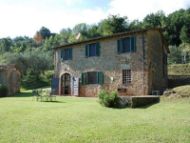
MAGRINI
region: Lucca
Farmhouse
6 people
Swimming pool
Lucca 12 kms.
vanaf 3010 euro p.w.
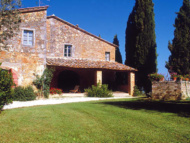
VILLA SARA
region: Siena
Farmhouse
7 persons
Swimming pool
Montalcino 17 kms.
vanaf 903 euro p.w.

CASA LE PERGOLE
region: Siena
Holiday home
8 persons
Swimming pool
Monticiano 8 kms.
Follonica beach 47 kms.
vanaf 1260 euro p.w.
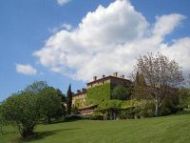
LA FORTEZZA - CASA TIGLIO
region: Siena
Apartment
4 persons
Swimming pool
Montepulciano 11 kms.
vanaf 1680 euro p.w.
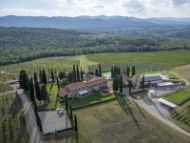
IESOLANA - I LECCI
region: Arezzo
Apartment
6 pers.
2 swimming pools
Siena 30 kms.
vanaf 385 euro p.w.
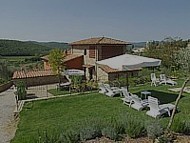
TENUTA LA PIEVE
region: Arezzo
Agriturismo
15 apartments
2 swimmingpools
2 cottages with private pool
Siena 40 kms.
vanaf 1813 euro p.w.
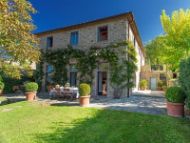
VILLA ROSETO
region: Arezzo
Holiday home
8 + 1 pers.
Swimming pool
Florence 53 kms.
vanaf 525 euro p.w.
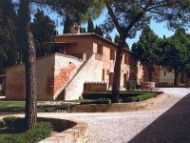
TENUTA LA CAMPANA - CIVETTA
region: Siena
Apartment
3 persons
Swimming pool
Tennis court
Siena 25 kms.
vanaf 459 euro p.w.
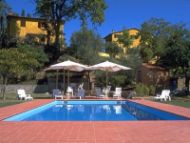
CASA STEFANO - ULIVO
region: Arezzo
apartment
2 + 2 pers.
Swimming pool
Tennis court
Arrezzo 30 kms.
vanaf 930 euro p.w.
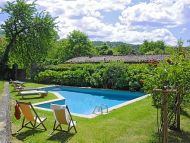
AMBASSADOR
region: Siena
Holiday home
4 pers.
Swimming pool
Montepulciano 33 kms.
Siena 68 kms.
vanaf 744 euro p.w.
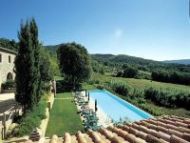
DISCOSTO - IL DEFIZIO
region: Firenze
Apartment
2 + 2 persons
Swimming pool
Florence 65 kms.
vanaf 4700 euro p.w.
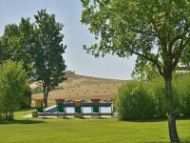
VILLA GONZO
region: Siena
Farmhouse
10 pers.
Swimming pool
Montepulciano 11 kms.
vanaf 1150 euro p.w.
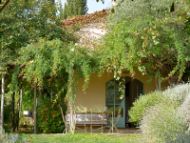
LIVIETTA
region: Siena
Cottage
2 pers.
Plunch pool
vanaf 3300 euro p.w.
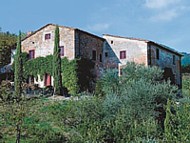
IL LECCIO
region: Lucca
Villa
12 people
Swimming pool
Lucca 12 kms.
vanaf 865 euro p.w.
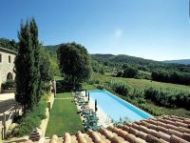
ELITROPIO - IL DEFIZIO
region: Firenze
Apartment
4 + 2 persons
Swimming pool
Florence 65 kms.
vanaf 2450 euro p.w.
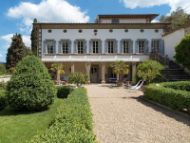
APPARTEMENT BARGELLINA
region: Firenze
Apartment in palazzo
6 persons
Swimming pool
Florence 20 min.
vanaf 1990 euro p.w.
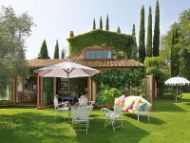
CASA LUPINAIO
region: Grosseto
Holiday home
6 + 2 pers.
Swimming pool
Beach Capalbio 35 kms.
vanaf 5680 euro p.w.
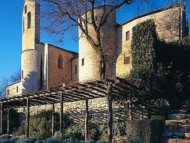
CASA JANINA
region: Siena
Holiday home
6 people
Swimming pool
Montepulciano 40 kms.
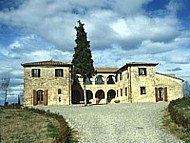
VILLA BEATRICE
region: Siena
vanaf 865 euro p.w.
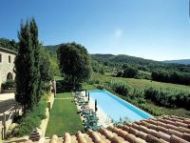
FORTUNALE - IL DEFIZIO
region: Firenze
Apoartment
4 + 2 persons
Swimming pool
Florence 65 kms.
vanaf 4990 euro p.w.
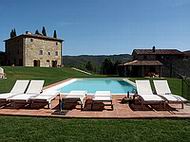
VILLA MACINAIA
region: Siena
Villa
10 + 2/14 + 2 pers.
Swimming pool
Gaiole in Chianti 16 kms.
vanaf 1820 euro p.w.
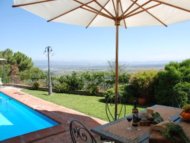
AL MENNUCCI
region: Lucca
Cottage
6 + 2 people
Swimming pool
Lucca 15 kms.
vanaf 784 euro p.w.
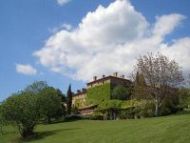
LA FORTEZZA - CASA BERSAGLIERE
region: Siena
Apartment
2 persons
Swimming pool
Montepulciano 11 kms.
vanaf 4890 euro p.w.
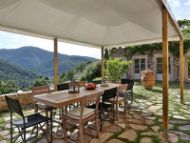
CASA CHIODA
region: Lucca
Farmhouse
10 + 2 people
Swimming pool
Lucca 9 km.
vanaf 3800 euro p.w.
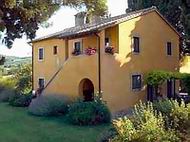
CASA AL GOZZO
region: Siena
A "BEAUTY" OF A HOUSE....
Farmhouse
8 pers.
Swimming pool
Montepulciano 11 kms.
vanaf 3150 euro p.w.
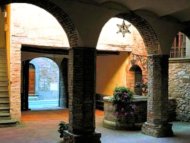
PALAZZETTA BARBERINO
region: Firenze
City palazzo
10-16 pers.
Swimming pool
Florence 38 kms.
vanaf 1950 euro p.w.
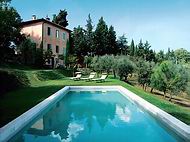
LA MACCHIETTA
region: Lucca
Farmhouse
6 + 1 pers.
Swimming pool
Lucca 15 kms.
vanaf 3980 euro p.w.
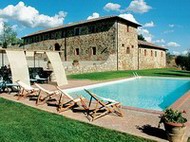
LA CORTE DI CAMPALLI
region: Siena
Farmhouse
12 people
Swimming pool
Siena 18 km.
vanaf 2990 euro p.w.
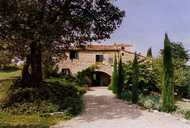
CAMPOREMPOLI
region: Siena
Farmhouse
9/10 people
Swimming pool
Radda in Chanti 11 kms.
vanaf 1792 euro p.w.
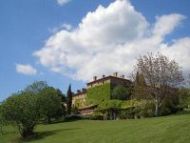
LA FORTEZZA - CASA RONDA
region: Siena
Appartment
6 persons
Swimming pool
Montepulciano 11 kms.
vanaf 903 euro p.w.
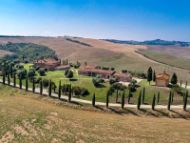
BACCOLENA - FORNAIO
region: Siena
Apartment
4 persons
Indoor swimming pool
Asciano 7 km.
Siena 32 km.
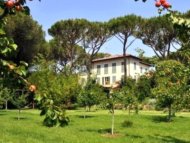
VILLA MARINA
region: Livorno
vanaf 1680 euro p.w.
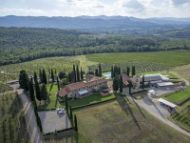
IESOLANA - IL BELVEDERE
region: Arezzo
Apartment
6 pers.
2 swimming pools
Siena 30 kms.
vanaf 1130 euro p.w.
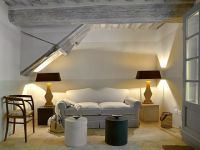
CASA DI GIULIA
region: Siena
Holiday home
5 persons
Swimming pool
Monepulciano 33 kms.
Siena 68 kms.
vanaf 410 euro p.w.
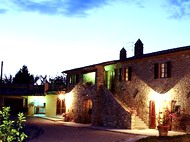
RENAIA
region: Arezzo
Agriturismo
5 apartments
Swimming pool
Cortona 3 kms.
vanaf 1323 euro p.w.
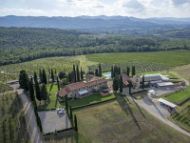
IESOLANA - GLI ARCHI
region: Arezzo
Apartment
4 pers.
2 swimming pools
Siena 30 kms.